BARTON, Crayfish, the small crustaceans many remember from childhood stream explorations, are far more than a nostalgic memory. They play a central role in Vermont's aquatic ecosystems, according to a recent feature in the Hardwick Gazette.
North America hosts about 400 of the world's roughly 500 crayfish species. Vermont has eight, including two to three native species and five non-native. The virile crayfish is the most common generalist. The rusty crayfish, an invasive from the Ohio River Basin, has become dominant in the White River watershed and is also found in several Northeast Kingdom lakes, including Morey and Carmi. The Appalachian brook crayfish, a native species of greatest conservation need, inhabits small cold-water streams in the region.
Dan "Rudi" Ruddell, a watershed scientist with the White River Partnership, described a citizen-science program in which fourth through sixth graders monitor crayfish at the same river sites year after year. The data shows a clear impact from recent major floods: at locations where students once found about 100 crayfish per hour, they now find about 30 per hour. Ruddell noted the educational value: "One of the things that is so exciting is that it's these kids who see these patterns. One of these kids might become our next expert."
Crayfish are opportunistic omnivores that help keep waterways clean by consuming dead matter. They are also a critical food source for fish such as smallmouth bass, and are linked to more than 240 other animal species through the food web.
Originally reported by Hardwick Gazette.
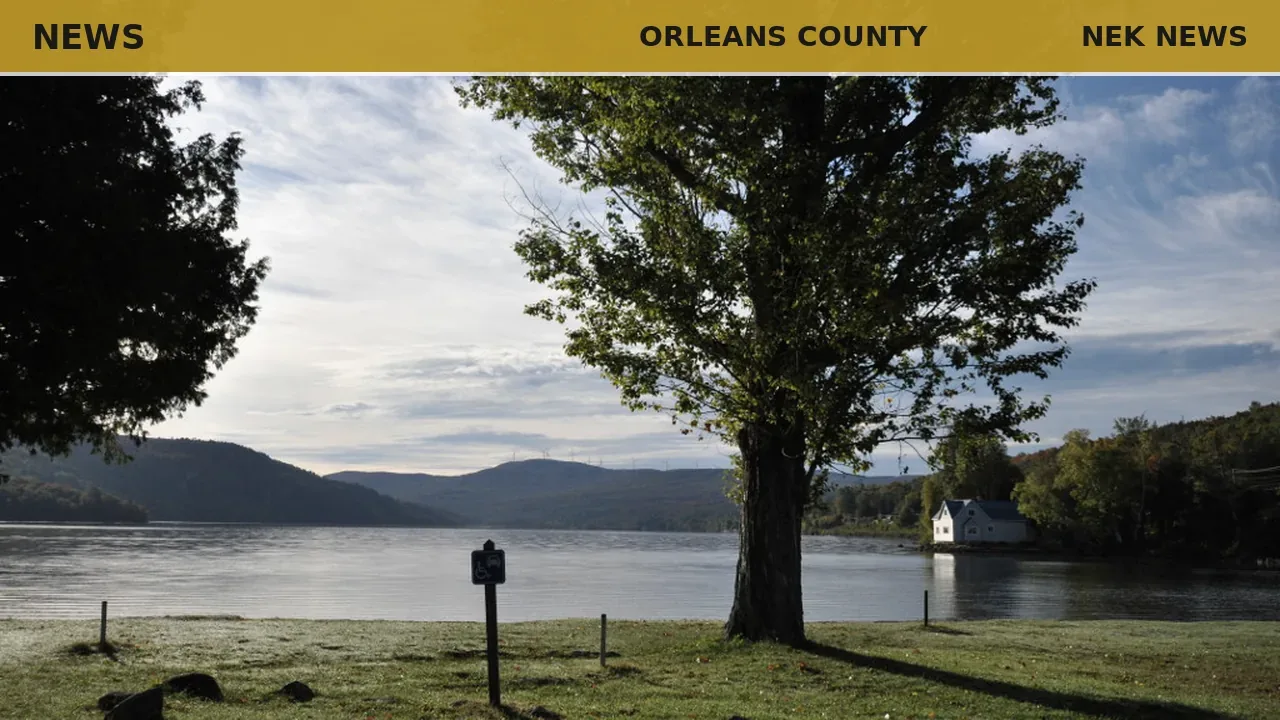
Photo: Magicpiano (Wikimedia Commons, CC BY-SA 4.0). Photo is illustrative and not from the scene.





Log in as a subscriber to comment, or become a member.